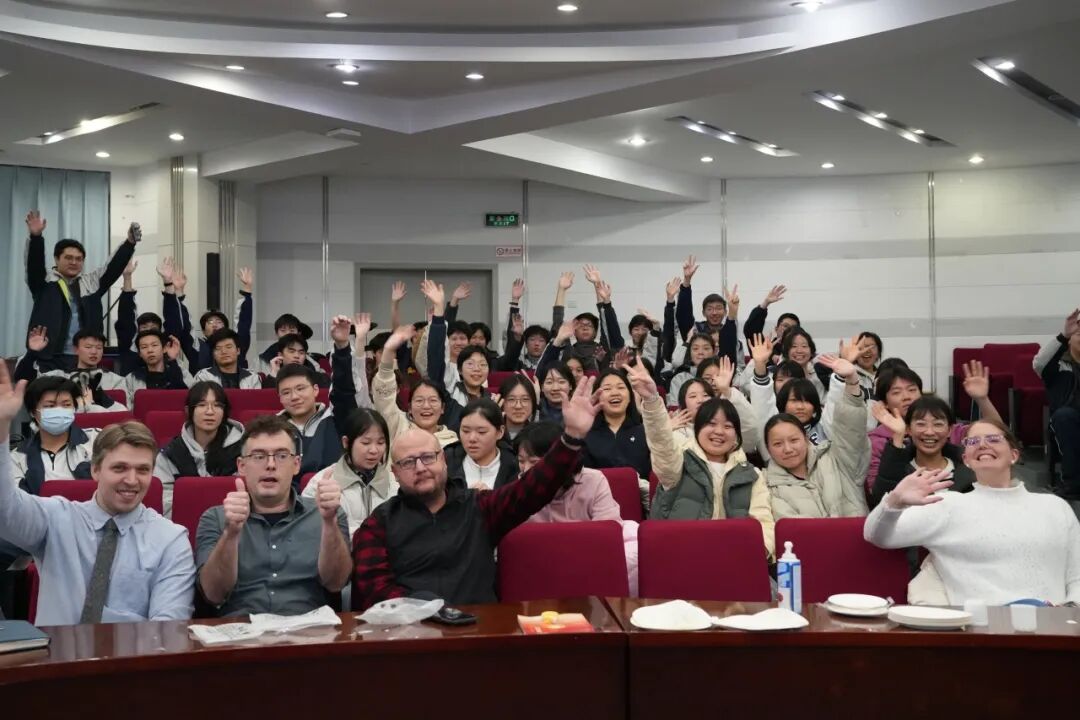
March 14 is Pi Day, a celebration for mathematics enthusiasts around the world. Across five CIC campuses, students and teachers turned the occasion into a series of memorable learning experiences.
From fast-paced mathematics competitions and card games to dry-ice experiments, charity activities and student-run challenge booths, each campus found its own way to make abstract ideas social, playful and tangible.
Campus 01 · Cixi
Student-led mathematics games
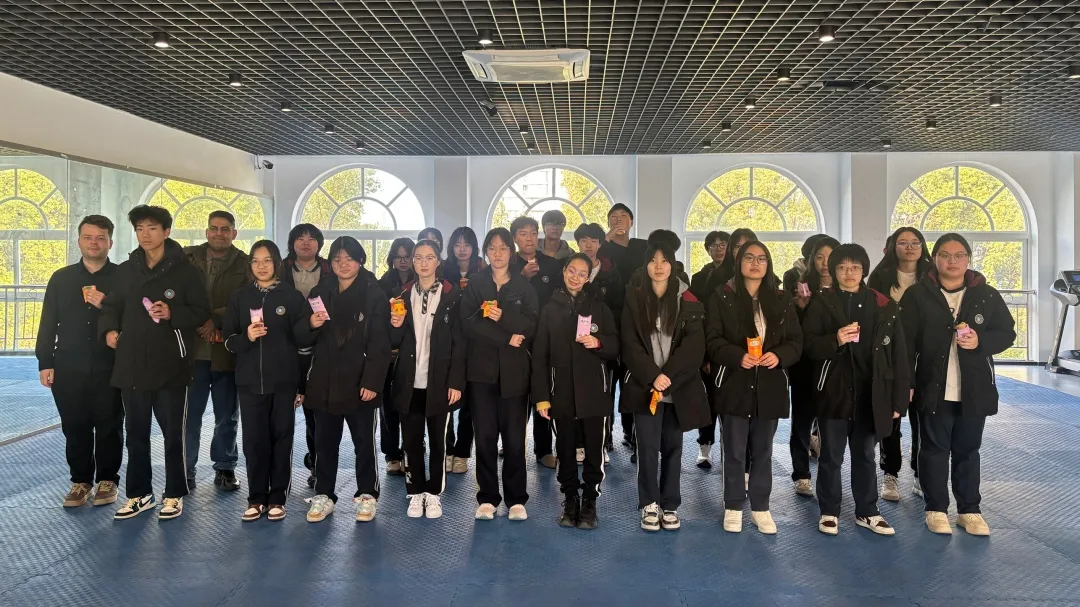
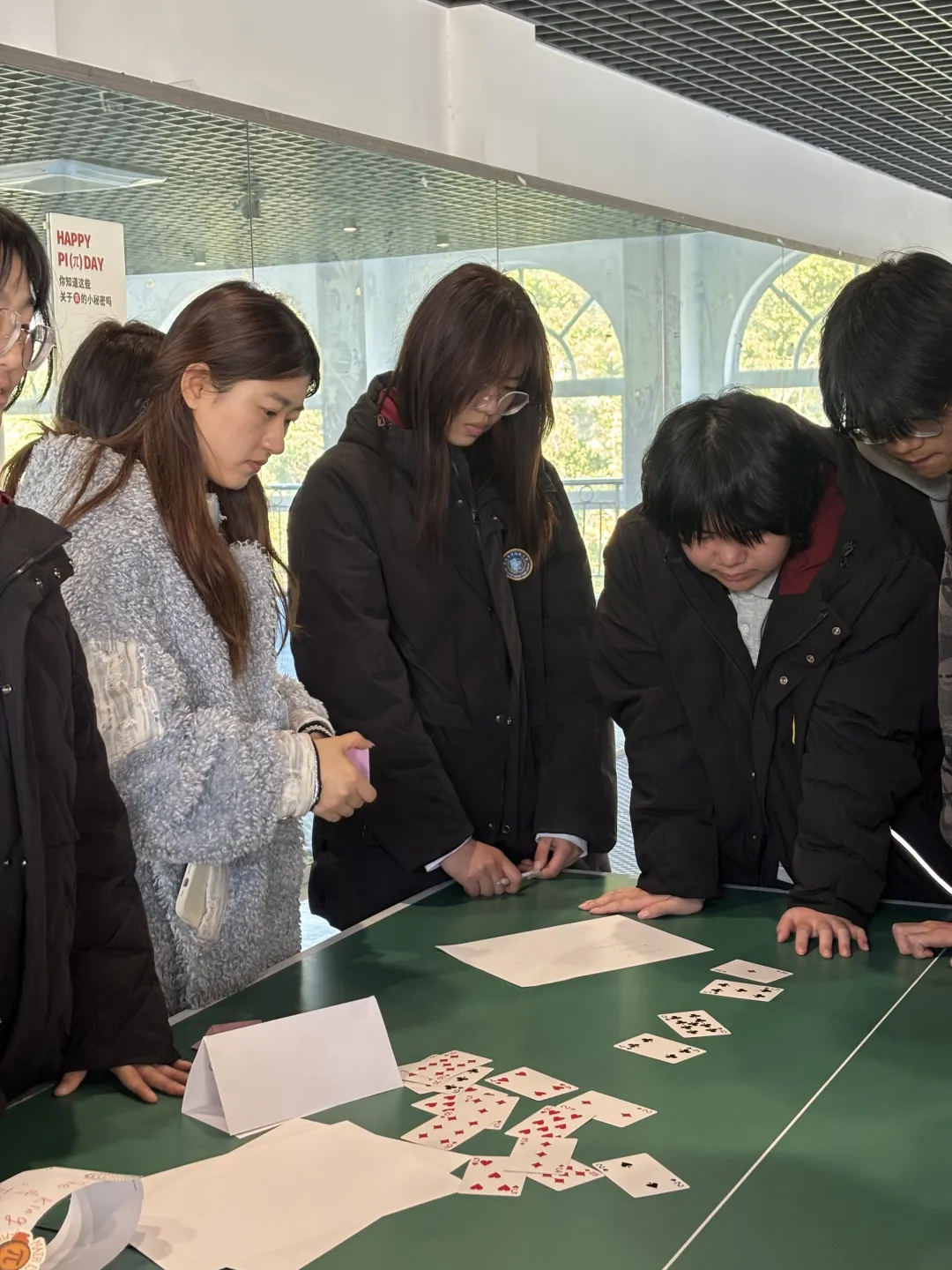
Students at Cixi planned and ran their own Pi Day program. A mathematics card game quickly became one of the most popular activities, combining numerical skill with strategy as students competed for the title of “King of Pi.”
The event gave students responsibility for both the ideas and the experience, turning mathematics into an opportunity for creativity and leadership.
Campus 02 · Pinghu
A four-round mathematics competition
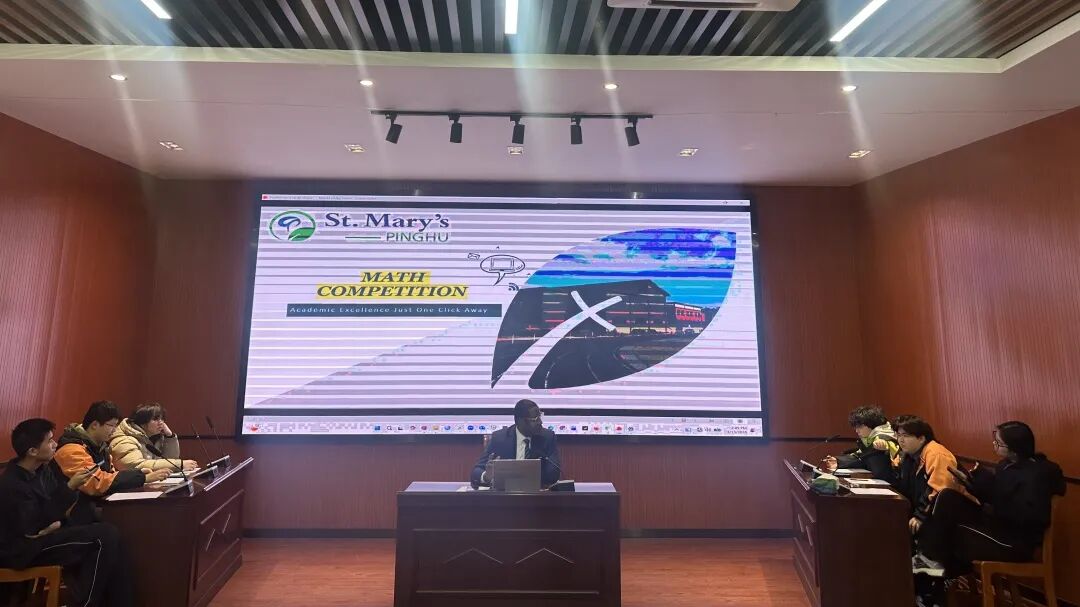
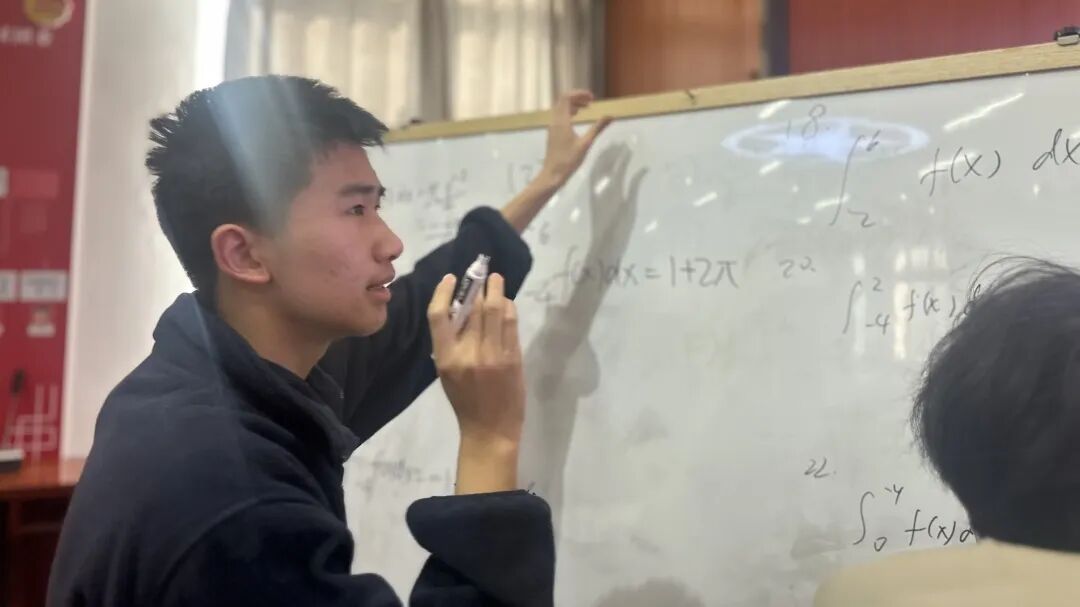
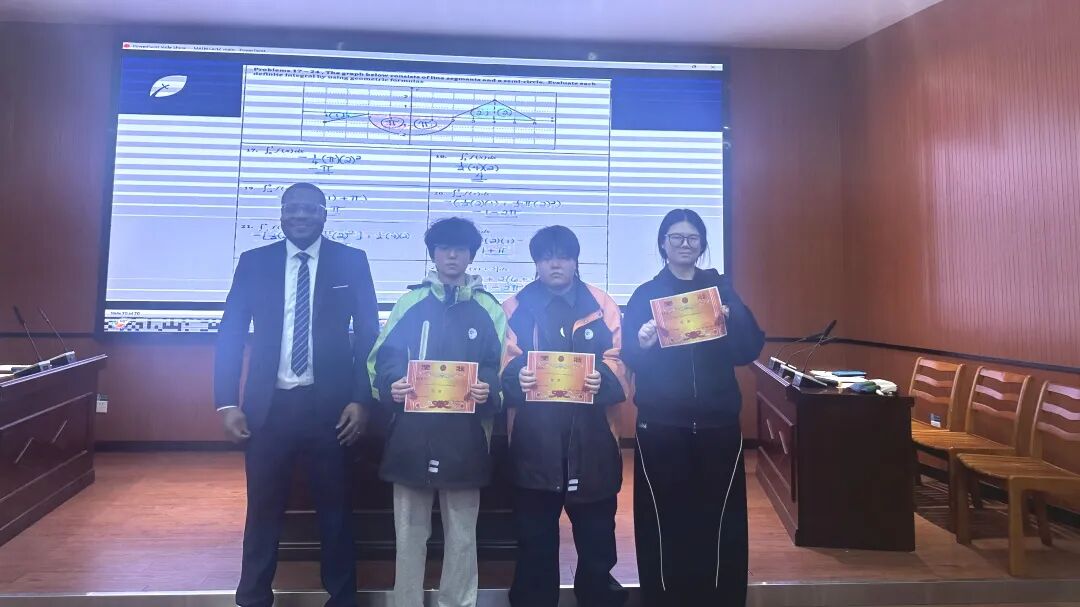
At Pinghu, two student teams met in a four-round competition. Three quick-response rounds tested speed and subject knowledge before a final extended problem pushed the teams to explain and apply their thinking.
The competition highlighted strong mathematical foundations while giving the whole school community a lively way to enjoy the subject.
Campus 03 · Jiangxi
Turning a playful challenge into support for others
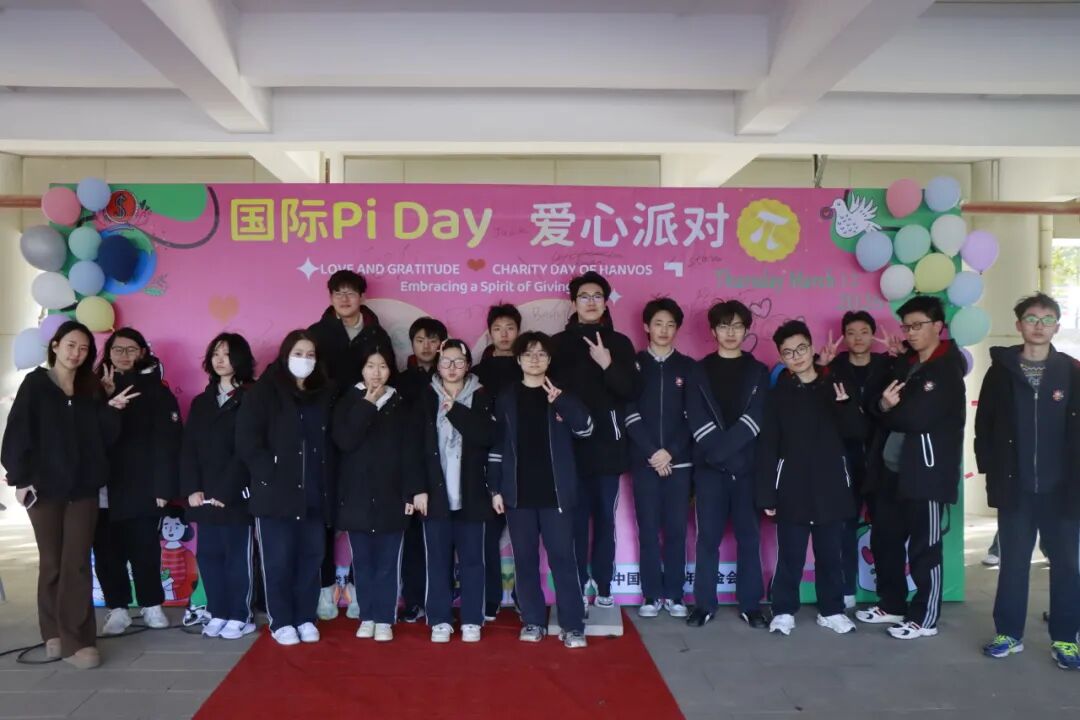
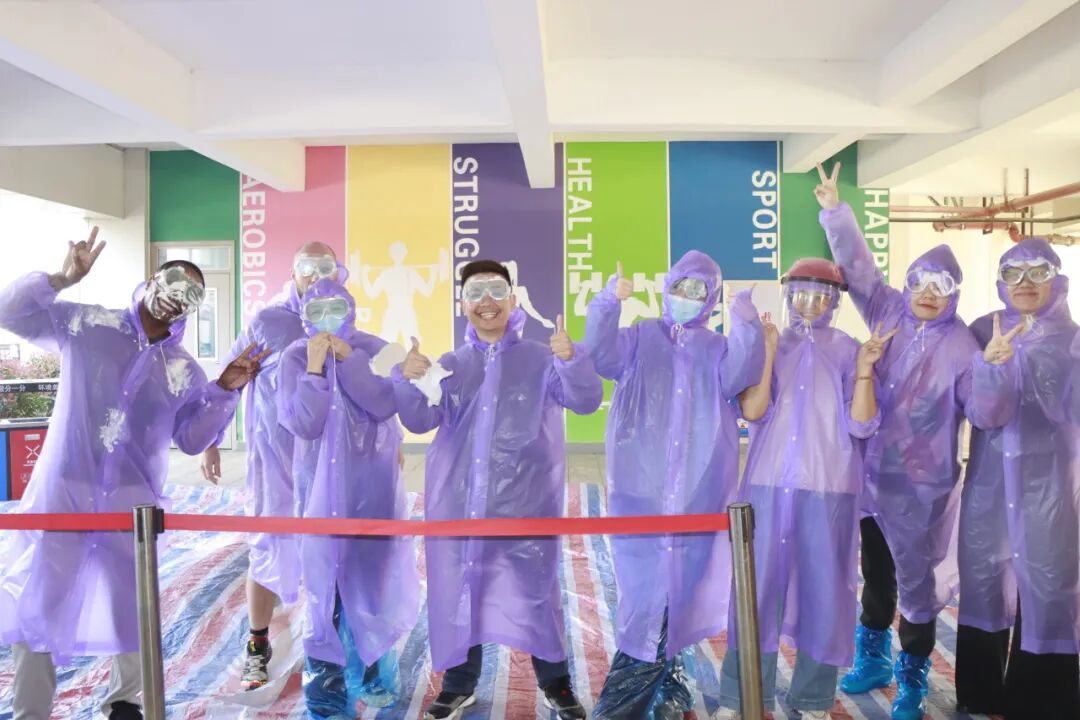
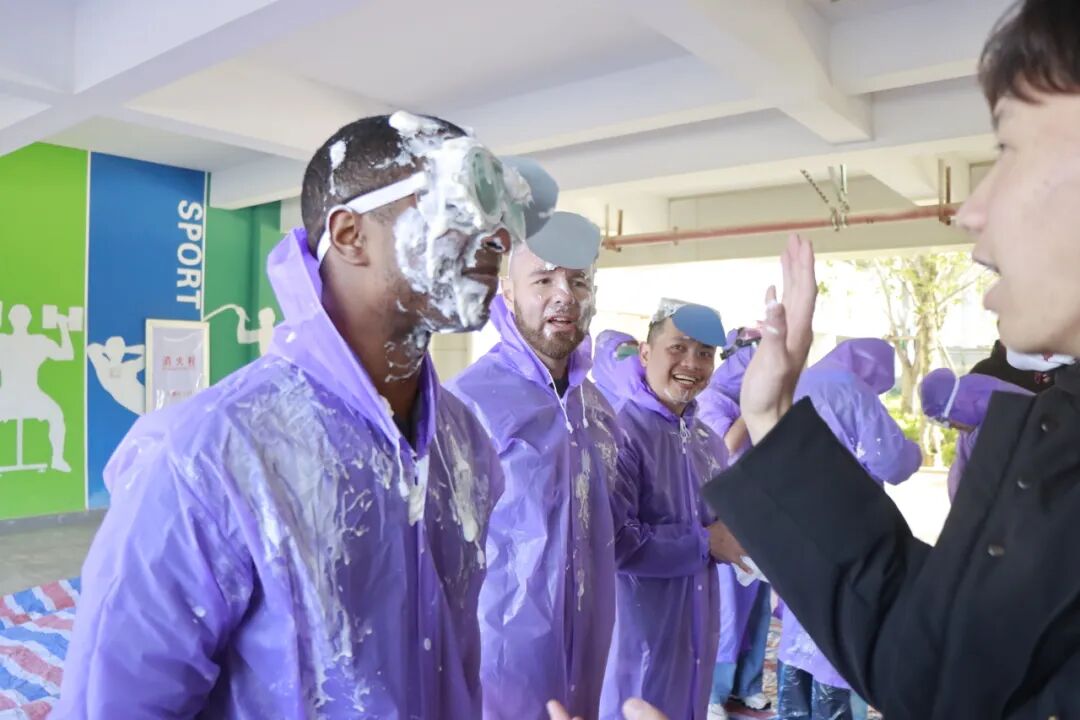
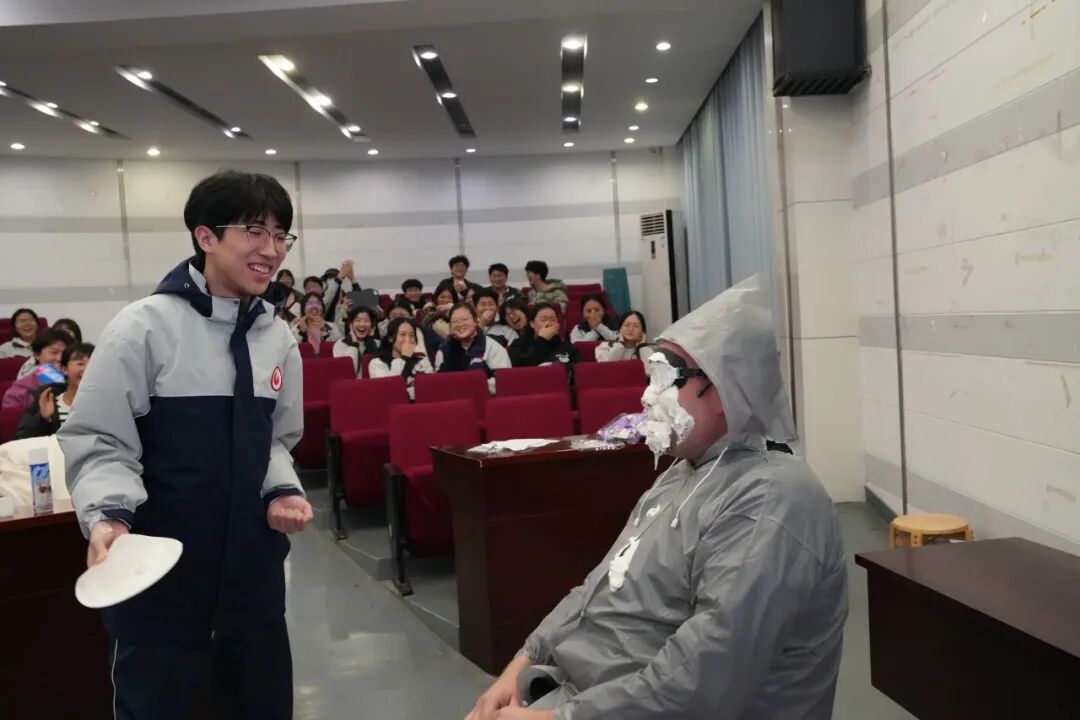
Jiangxi combined laughter with community service. Students purchased cream pies and invited international teachers to take part in a good-natured pie-throwing fundraiser.
Funds raised through the activity were designated for charity, allowing a lighthearted campus tradition to carry a wider purpose.
Campus 04 · Wuhan
Mathematics meets hands-on science
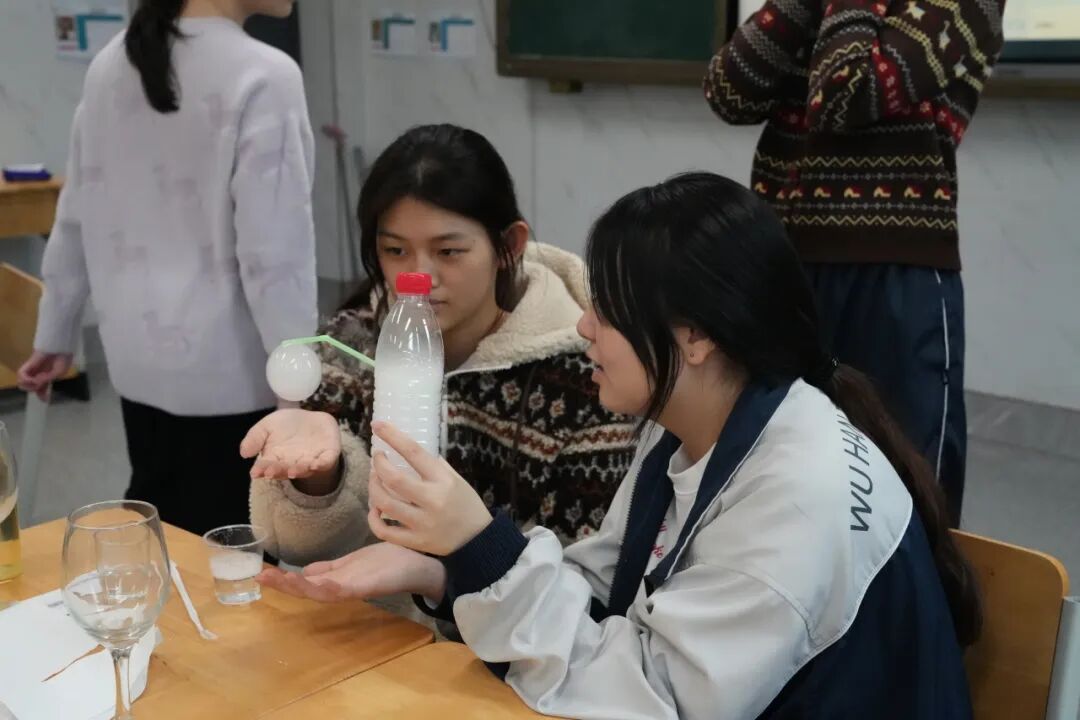
Wuhan brought together mathematics games and science demonstrations. A dry-ice bubble experiment became one of the day’s highlights, giving students a vivid way to observe scientific ideas in action.
Games, experiments and a final cream-pie challenge kept students moving between inquiry and celebration throughout the event.
Campus 05 · Shenzhen
Three booths, three different challenges
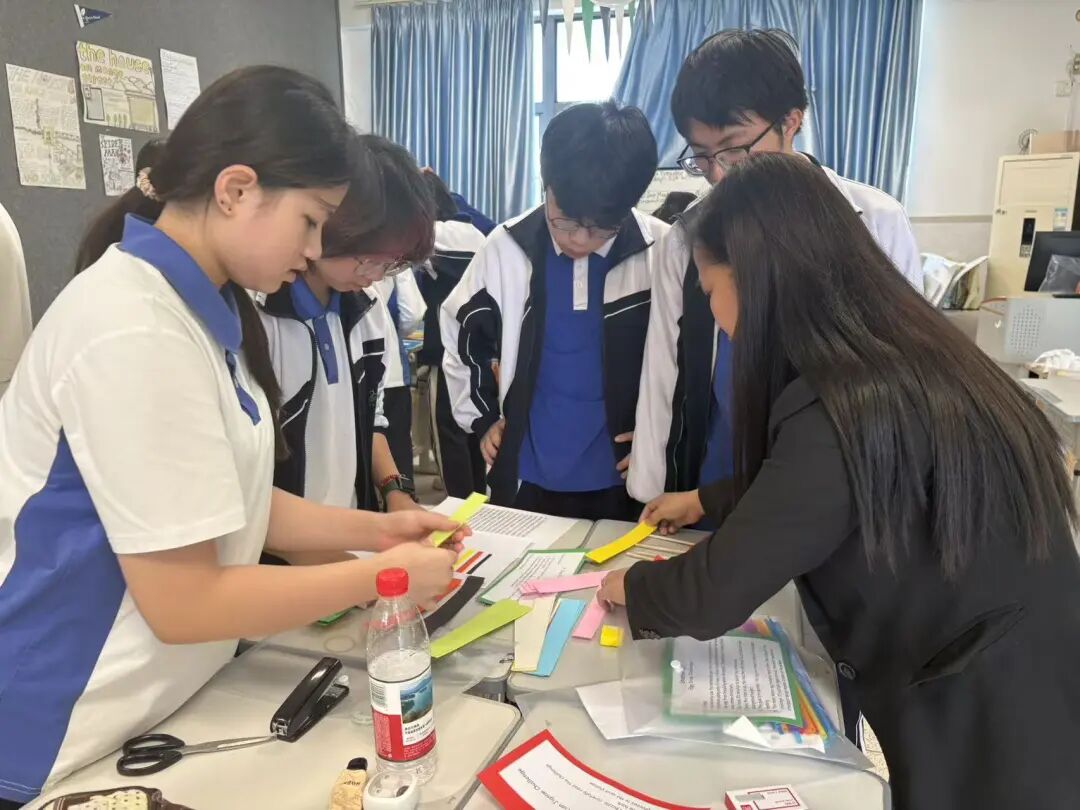
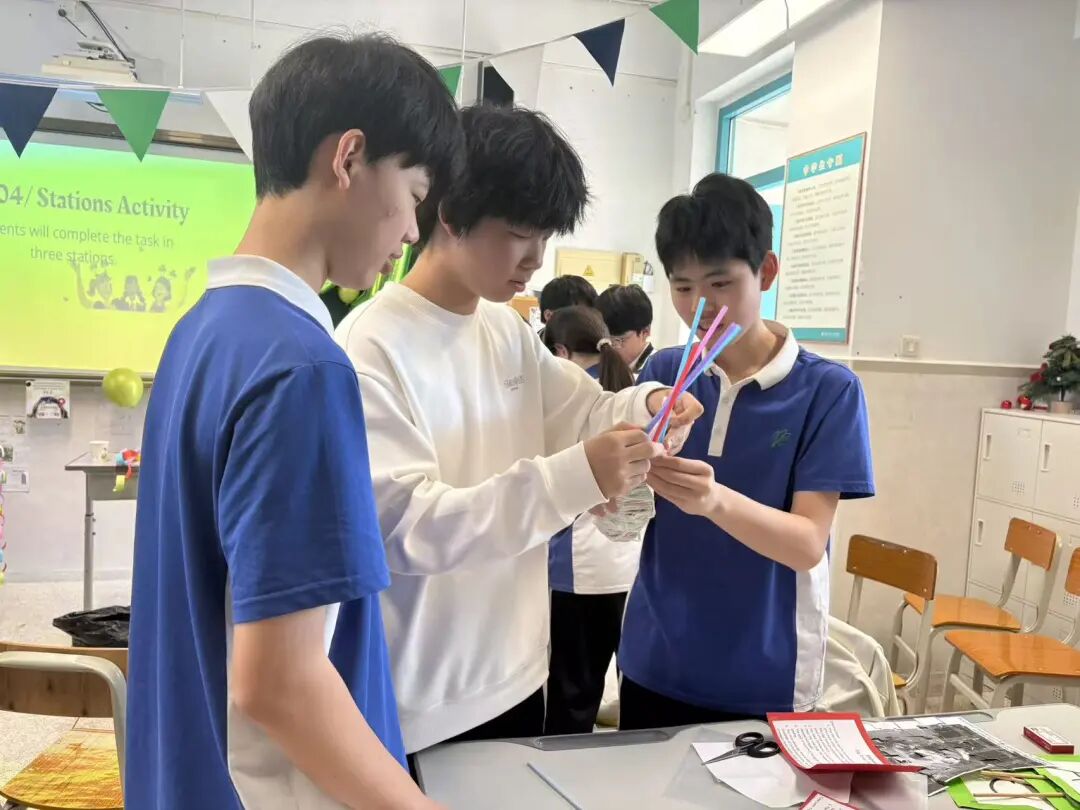
Shenzhen organized Pi Day as a booth-based challenge. Students moved freely among three mathematics stations featuring short games, logic problems and practical tasks.
The format encouraged conversation, experimentation and curiosity—making the satisfaction of solving a problem the real reward.
The digits of π may continue without end; so does the impulse to explore. Across five campuses, students experienced mathematics not only as a set of formulas, but as a way to think, collaborate and contribute.